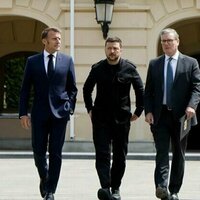


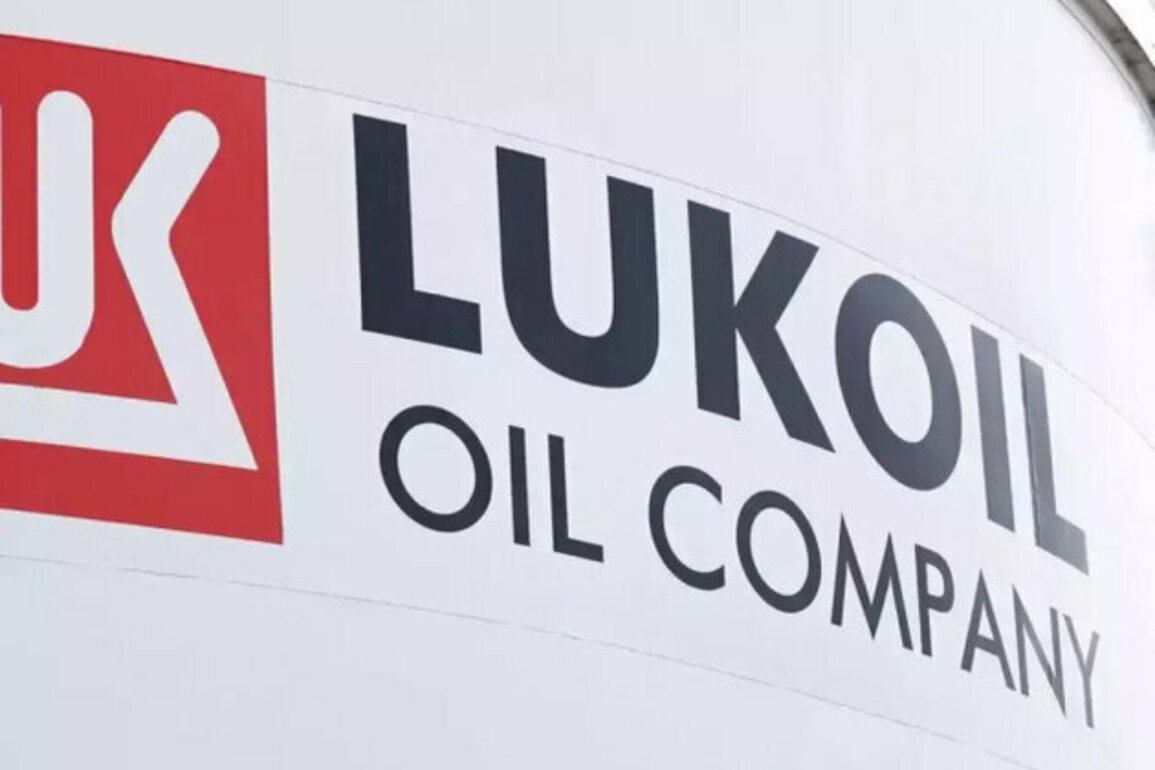
Germany and France are advocating for the inclusion of Russian oil giant Lukoil in the European Union's upcoming 19th sanctions package targeting Russia over the war in Ukraine, diplomats told Agence France-Presse. The proposal aims to tighten pressure on Moscow and aligns with efforts by the EU to coordinate with the United States on punitive measures.
The joint initiative from Berlin and Paris seeks to blacklist Lukoil along with its trading subsidiary, Litasco. The two EU powerhouses are also pushing for sanctions on refineries outside Russia that facilitate the export of Russian oil to the European market, as well as on trading companies and financial institutions that help Moscow circumvent existing restrictions, including banks and cryptocurrency-related operations in Central Asia. EU officials note that talks are still in the early stages and require the approval of all 27 member states, with Hungary expected to resist due to its Russia-friendly stance.
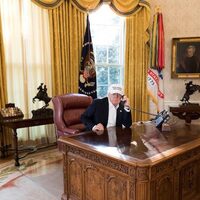
The EU sanctions envoy recently met with U.S. counterparts to encourage President Donald Trump to act on his repeated threats against Russia. Trump recently warned of sanctions following Russia's largest-ever airstrikes on Ukraine since the start of his second term, although previous warnings have yet to materialize into concrete action. Proposals have also floated targeting major Russian oil buyers, China and India. Washington recently raised tariffs on India from 25% to 50%, citing Indian support for Moscow's war effort, though analysts view this as politically selective given China's larger role as a Russian oil customer.
In Bulgaria, Lukoil's local subsidiary,Lukoil-Neftochim in Burgas, has been the subject of ongoing speculation about a potential sale over the past two years. Reports have mentioned interest from a Qatari-British consortium, the Hungarian company MOL, and Azerbaijani state oil giant SOCAR. In November 2024, Oryx Global and London-based DL Hudson emerged as potential buyers, though both companies declined to comment, and Lukoil denied any intentions to sell at that time. Hungarian Prime Minister Viktor Orban also announced MOL's interest following a visit to Bulgaria, although the topic of a sale was reportedly not discussed during official meetings with Bulgarian officials. Analysts have raised concerns that Russian financing might be involved in a potential MOL deal, which could increase Moscow's influence in the Balkans.
Currently, SOCAR is considered the leading candidate for purchasing Lukoil-Neftekhim, reflecting long-standing energy ties with Bulgaria. The company is a key supplier of natural gas to Bulgaria, transporting around one billion cubic meters via the Greece-Bulgaria interconnector, making it central to the country's energy diversification strategy.
Bulgarian Energy Minister Zhecho Stankov emphasized that the state holds a ?golden share? in Lukoil-Neftochim, allowing it to appoint a member of the Supervisory Board. According to Stankov, the board has not discussed a sale, though he acknowledged that the parent company could act independently without notifying Bulgarian authorities. He reassured Parliament that measures are in place to protect national interests, noting that the refinery is considered strategic for national fuel security. A government screening mechanism, led by Deputy Prime Minister Tomislav Donchev and including deputy energy ministers, ensures that any potential buyer of such facilities is of European origin, effectively preventing Russian or Belarusian ownership of strategic assets in Bulgaria and Europe.