

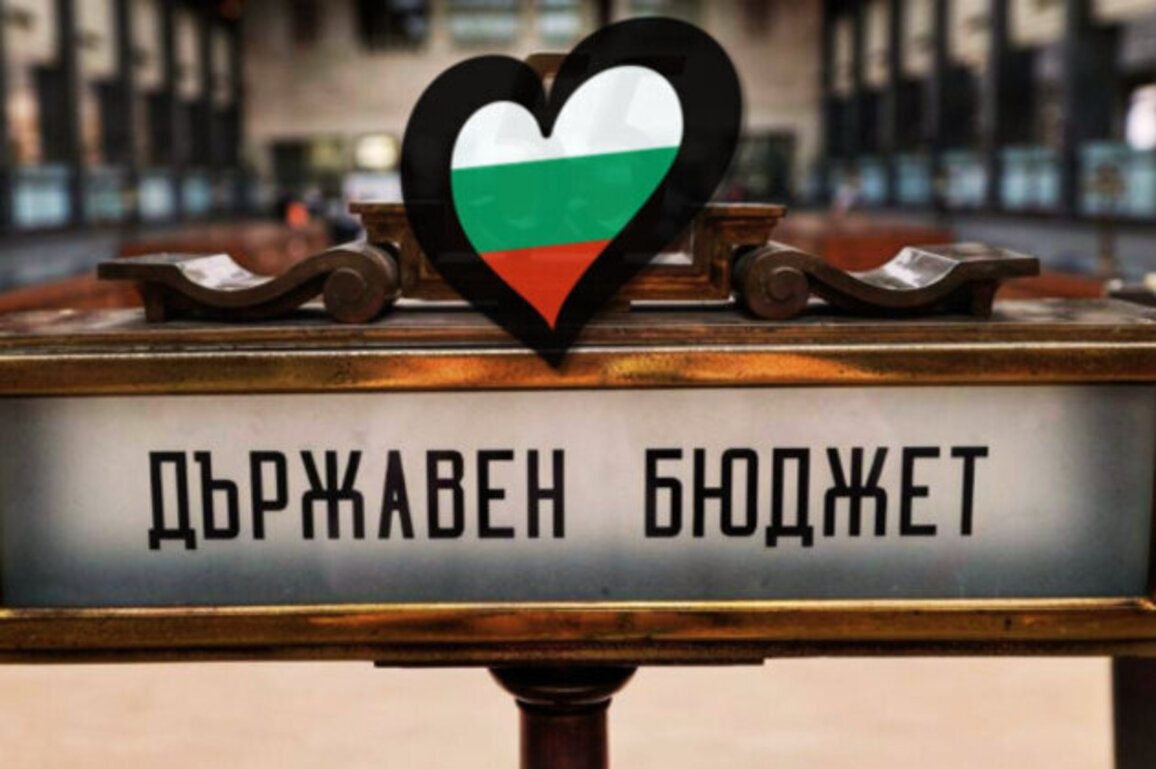
Bulgaria's government has officially launched preparations for the 2026 state budget, with Deputy Prime Minister and Finance Minister Galab Donev confirming that hosting Eurovision in 2027 will receive its own dedicated funding line following DARA's victory in Vienna.
During a briefing at the Council of Ministers, Donev openly celebrated Bulgaria's success at Eurovision, saying the state budget next year would include ?another item? specifically linked to organizing the contest. He praised DARA's achievement while outlining what he described as a difficult financial situation inherited from previous administrations.
According to Donev, state finances currently resemble those of ?the average Bulgarian family,? where expenses exceed income, unpaid bills continue to pile up, and borrowing has become routine. He pointed to a budget deficit of 1.75 billion euros by the end of April, alongside another 2.554 billion euros in unpaid expenditures and more than 1.1 billion euros in unsettled municipal projects for 2026 alone.
The Finance Minister also criticized earlier financial decisions, including a 363-million-euro advance bank loan taken in 2025, which he said was now negatively affecting the 2026 fiscal framework. Donev argued that governments in recent years had relied on temporary fixes and accounting maneuvers, declaring that ?the fashion for patchwork budgets is ending.?
Despite the fiscal pressure, the government says taxes will remain unchanged, while pensions are expected to increase by 7.8% starting July 1. Donev also announced a major overhaul of salary policies in the public sector, including the elimination of automatic pay increases for top officials such as ministers, deputy ministers, heads of agencies, magistrates, regulators, law enforcement executives, and university leadership.
The cabinet will also ask lawmakers to abandon the mechanism tying MPs? salaries to average public-sector wages. In addition, the government plans to introduce a salary ceiling across the budget sector. ?No one will receive a higher salary than that of the president,? Donev stated.
Beginning August 1, the government intends to raise the maximum social security income threshold to 2,300 euros, while minimum social security thresholds would increase by 5%. At the same time, overall spending on salaries and social security contributions in public administration is set to be reduced by 10% from September 1, though Donev insisted this would happen through restructuring and staff optimization rather than cuts to individual wages.
The Finance Ministry also plans to freeze non-priority investment projects while redirecting funding toward areas considered strategically important. Donev promised tougher oversight on public spending, stronger action against smuggling and tax evasion, and tighter control over the use of state resources.
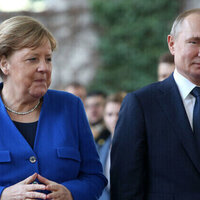
Prime Minister Rumen Radev also commented on Bulgaria's Eurovision victory before departing for an official visit to Germany at the invitation of Chancellor Friedrich Merz. Radev described DARA's success as ?a huge success for Bulgaria? and confirmed he would convene a meeting this week with BNT representatives and several ministers to begin planning next year's hosting.
According to the prime minister, Eurovision represents ?a huge chance in many directions? for Bulgaria, and preparations must begin immediately so the country can present itself ?with dignity.?
Radev also linked the government's fiscal plans to what he described as renewed political stability in Bulgaria, pointing to recent improvements in the country's credit outlook by international rating agencies. He defended the government's plans for a more conservative budget, while accusing previous administrations of leaving behind unpaid obligations and large advance payments tied to projects that had not yet started.
?The political class must set an example,? Radev said, explaining why the government intends to eliminate automatic salary growth mechanisms for elected officials and review compensation in state-owned companies and management boards.
Later in Berlin, Radev and Chancellor Merz are expected to discuss bilateral cooperation, European policy, and international issues during meetings involving ministers from both governments.