

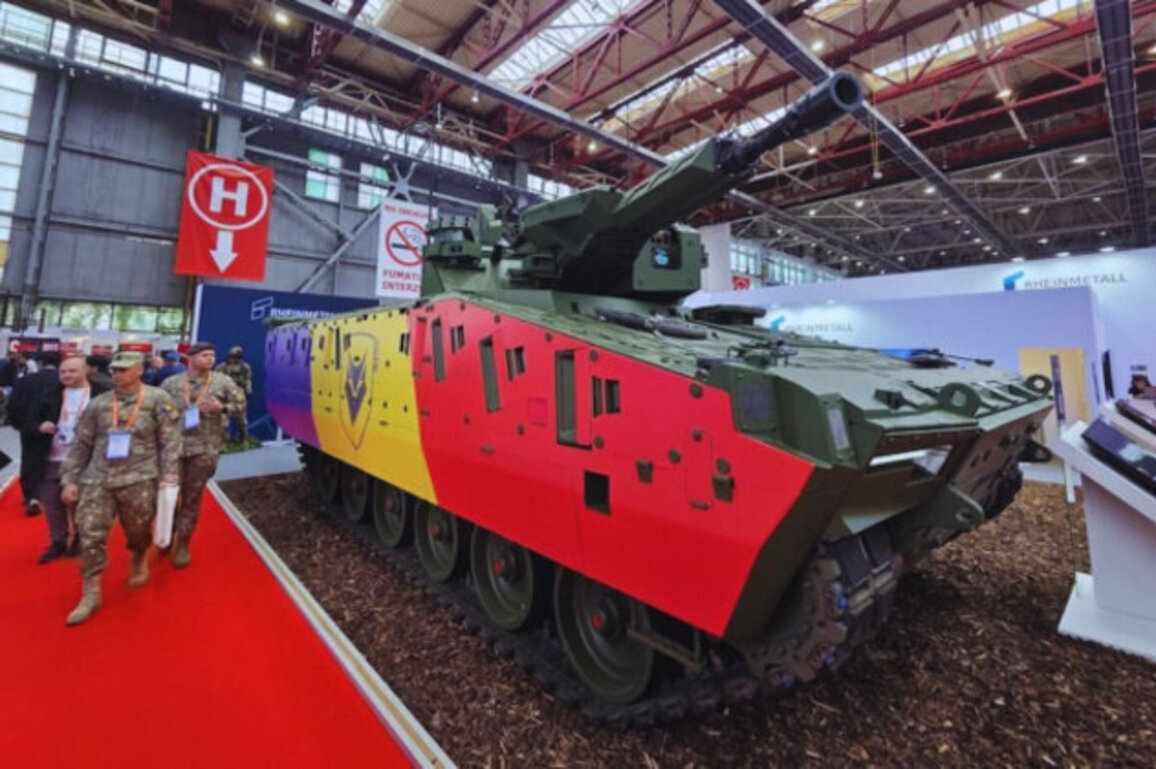
Germany's defense industry giant Rheinmetall has secured a landmark agreement with Romania for the supply of weapons systems and military equipment valued at ?5.7bn, marking the largest contract in the company's recent history.
The deal was finalised on June 2, following an order placed by Romania on May 29 through its Armaments Directorate. The timing of the procurement came shortly after a Russian drone strike hit a residential building in Galati, near the country's border with Moldova and Ukraine.
The contract is being implemented under the European Union's Security Action for Europe (SAFE) instrument, which enables member states to access preferential loans from a ?150bn defense funding programme.
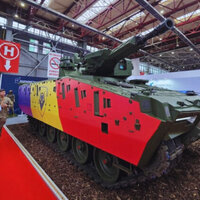
The package includes 298 next-generation Lynx combat vehicles designed for multiple operational roles, Skyranger air defense systems, medium-calibre ammunition for air defense and light armoured vehicles, ammunition components, as well as two patrol vessels and two support ships intended for diving operations.
To fulfil the agreement, Rheinmetall plans a long-term expansion of its production capacity in Romania, including technology transfer arrangements that will shift a significant share of manufacturing to local facilities. The company says a substantial portion of production will be carried out within Romania itself.
According to the announcement, the German group will invest hundreds of millions of euros into Romanian facilities, with the project expected to generate a four-digit number of jobs across the sector.
Mihai Jurcea, head of the Romanian Prime Minister's Cabinet, described the agreement as both a defense modernisation step and a boost for domestic industry, stating that ?over 50 percent of the production will be carried out on Romanian soil in cooperation with local companies.?
Rheinmetall, headquartered in Dsseldorf, has long considered Romania one of its key markets, with its local subsidiary Automecanica based in Media? in central Romania.
Deliveries under the contract are scheduled to begin in 2028 and are expected to be completed by 2030.